DEFINE01
Definition
Create shared manufacturing definitions for products, routings, and execution rules
02 / MES / MOM
A manufacturing operations system does more than digitize paperwork. It turns product and process definitions into executable work orders and operations, then feeds operation completions, quality results, and exceptions back into planning.
OPERATIONS / TODAY
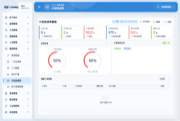
Production execution status
DEFINED
READY
EXECUTION
LIVE
TRACE
LINKED
01 / OPERATING MODEL
Work orders, dispatch, traceability units, scheduling, and dashboards share the same product definitions and execution records. Ignition extends these connected workflows to equipment and workstations.
Create shared manufacturing definitions for products, routings, and execution rules
Turn production demand into work orders and schedules, checking resources and production conditions
Support production with work dispatch, barcode scanning, data collection, and error prevention
Link materials, lots, serial numbers, process records, and quality results throughout production
Trace plan attainment and quality gaps to production records
02 / MOM DOMAINS
Start with a priority workflow, such as work order execution, lot traceability, or quality management. Establish reliable data relationships, then expand using the same manufacturing model to keep information connected.
Keep planning and shop-floor progress aligned throughout the work order lifecycle: creation, release, dispatch, execution, completion, and cancellation.
Maintain shared product, operation, resource, and execution rules so each work order specifies the next step and its production conditions.
Link each product to its materials, operations, personnel, and process results for forward and backward genealogy searches.
Connect inspection, first-pass yield, quarantine, rework, scrap, and release within the production workflow.
Make time, crews, skills, equipment, and material constraints visible, and communicate schedule changes promptly to the shop floor.
Drill down from work order completion, output attainment, and first-pass yield to the production records behind each result.
03 / PRODUCT PROOF
Our applications include standalone MES / MOM for manufacturing definitions, work orders, dispatch, traceability, scheduling, and plan attainment, alongside Ignition workspaces for equipment, materials, quality, genealogy, and work orders. Both approaches connect production data across the workflow.
Model around actual manufacturing processes
Support phased rollouts and future expansion
Integration with equipment, Ignition, and enterprise systems
04 / INTEGRATION
PLCs and workstations provide live status. Ignition gives that data its production context and can host MES workspaces for shop-floor tasks. Standalone MES / MOM, PMS, and enterprise systems use the same data to coordinate operations.
Shop floor
PLC · Equipment · Workstations
real-time layer
Ignition · UNS · Event
Operation layer
MES · MOM · PMS
enterprise layer
ERP · PLM · BI
Connect production plans with work orders, operations and workstations, so execution, quality and traceability share the same shop-floor records.
Organize routing, work order dispatch, operation completion and work in progress (WIP). Connect equipment status, material readiness and quality inspection to support shop-floor control and schedule performance analysis.
Link serial numbers, material lots, process steps and inspection results. Trace finished products back to their materials and production history, and identify products associated with a suspect lot.
Build MES workspaces on Ignition or connect Ignition to standalone MES/MOM and ERP systems. Define work order, master data and production reporting flows around each system’s responsibilities.
Connect equipment states, downtime reasons, production counts and quality records. Define time classifications and data sources to support overall equipment effectiveness (OEE), downtime analysis and shift performance reviews.
START WITH THE REAL PROBLEM